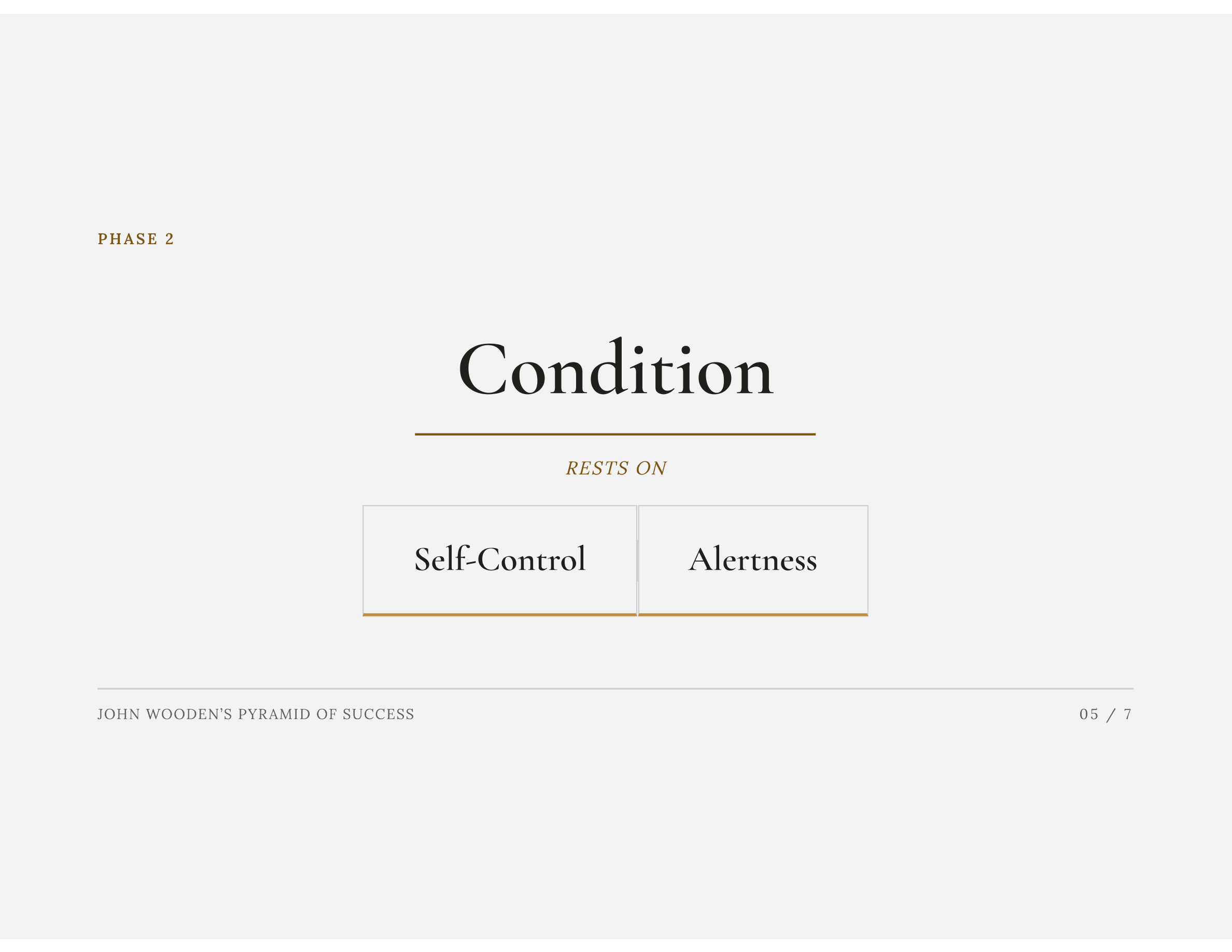
Condition: Ready for the Work
Exhaustion is not evidence of commitment.
A depleted leader still makes decisions. A depleted technician still turns the wrench. A depleted parent still answers the question.
If I were called upon to give my best tomorrow, are the habits I practiced today preparing me to do it?

Back On Track
My Jeep, backed around to the loading door, an extension cord braided into a tow line, 4-Low, and a slow crawl backward. The cord stretched to something like a third longer than it was built for before it snapped.

Optimizing Models
Haiku is useful when the rules are already known and simply need to be applied repeatedly. Sonnet is useful when the task requires meaningful work, such as writing or coding, but the goal and important rules have already been established.
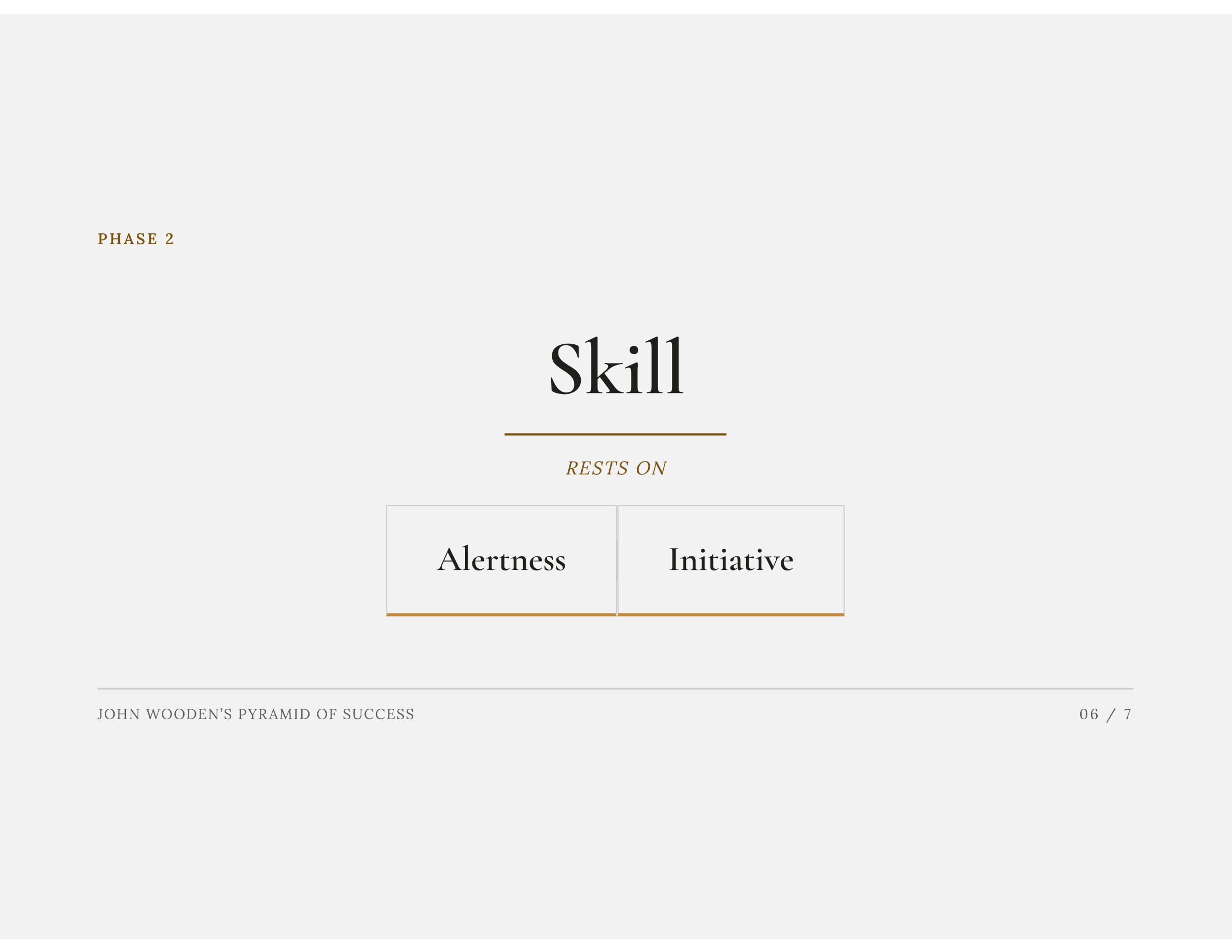
Skill: The Fundamentals You Never Leave
Two hundred ten seconds after impact, the airplane is on the Hudson River and everyone aboard is alive.

The Difference between Good and Weak
Delay is not the absence of a decision. It is a decision, made by default, whose cost lands on somebody else.
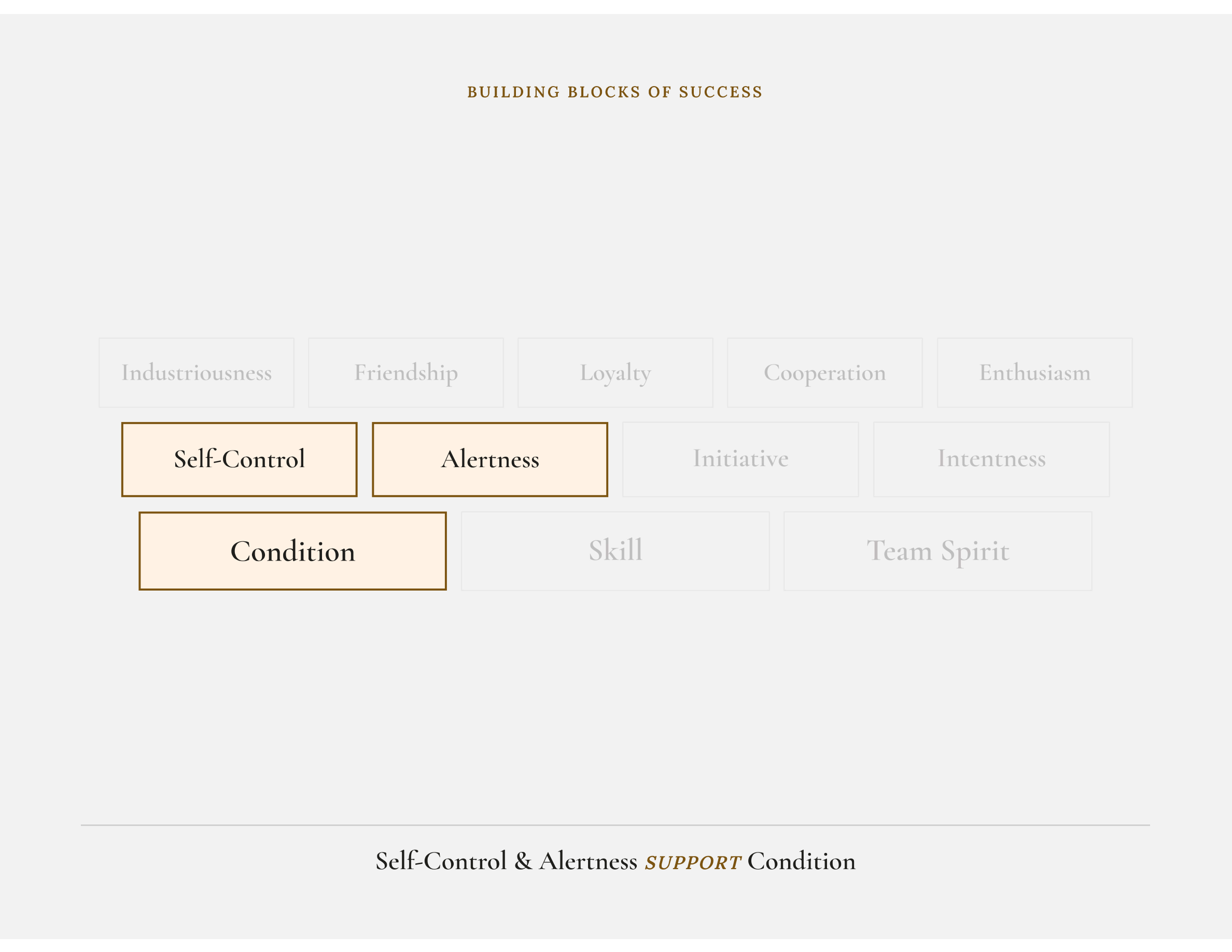
From Character to Capability
Without Loyalty, commitment disappears when tension rises. Without Initiative, people wait for others to carry the group. Without Intentness, the team loses sight of its shared purpose.
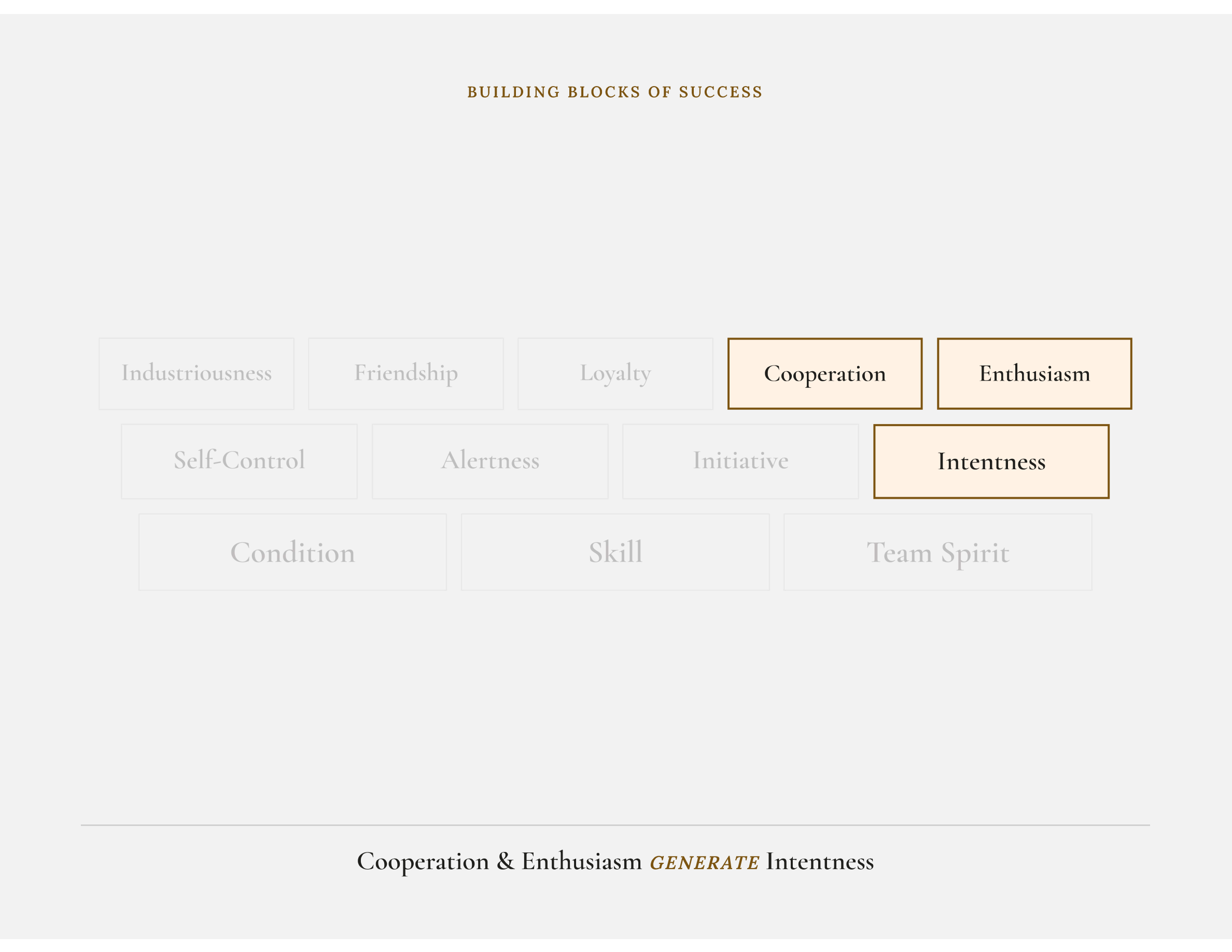
Cooperation, Enthusiasm, and the Discipline of Intentness
Cooperation is often mistaken for simple teamwork, but Wooden envisioned something far richer. Cooperation is the humility to pursue a common good rather than personal recognition.
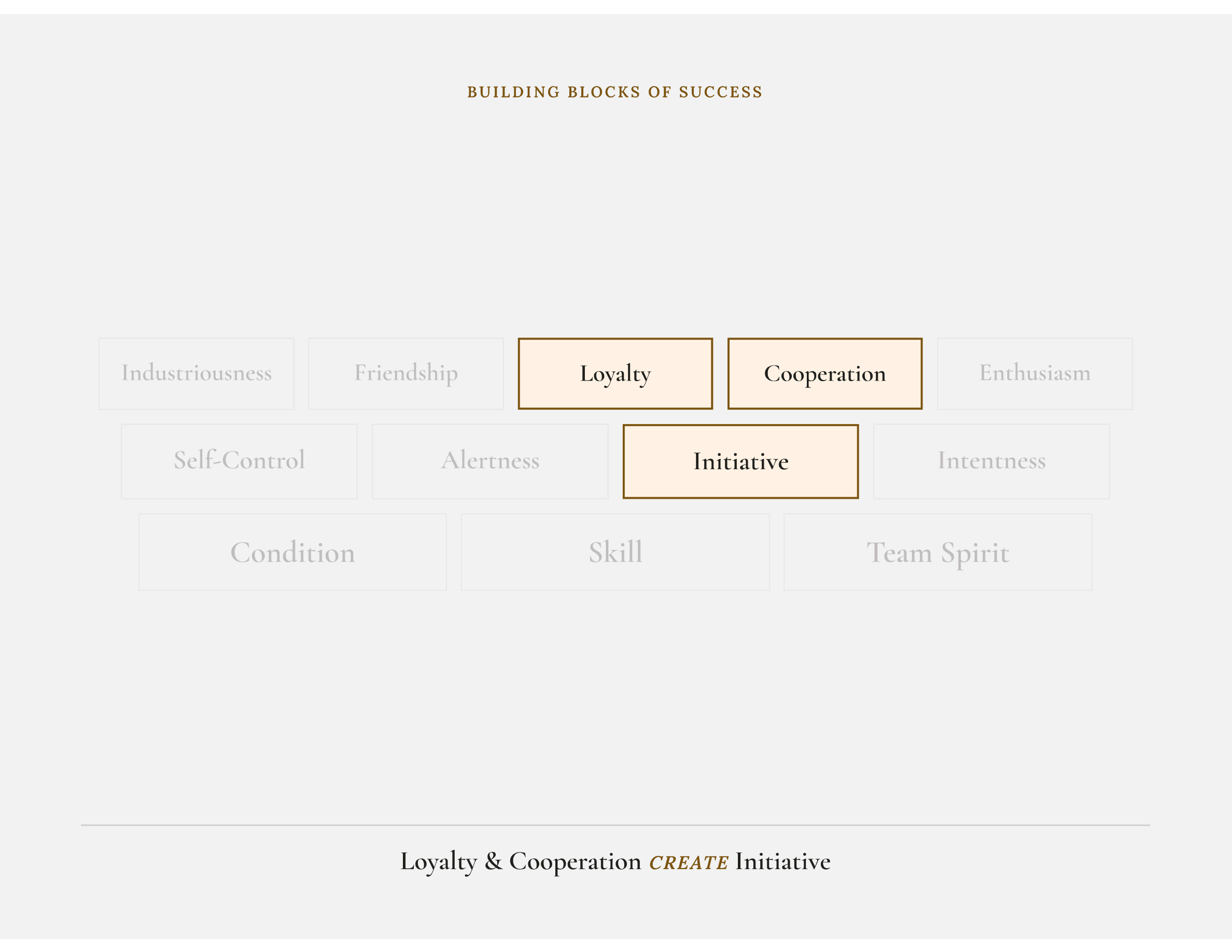
Loyalty, Cooperation, and the Courage of Initiative
Initiative is what solves problems before they become crises. You see something that needs to happen, and you start making it happen. You don't wait for approval. You don't wait for the right moment. You act.
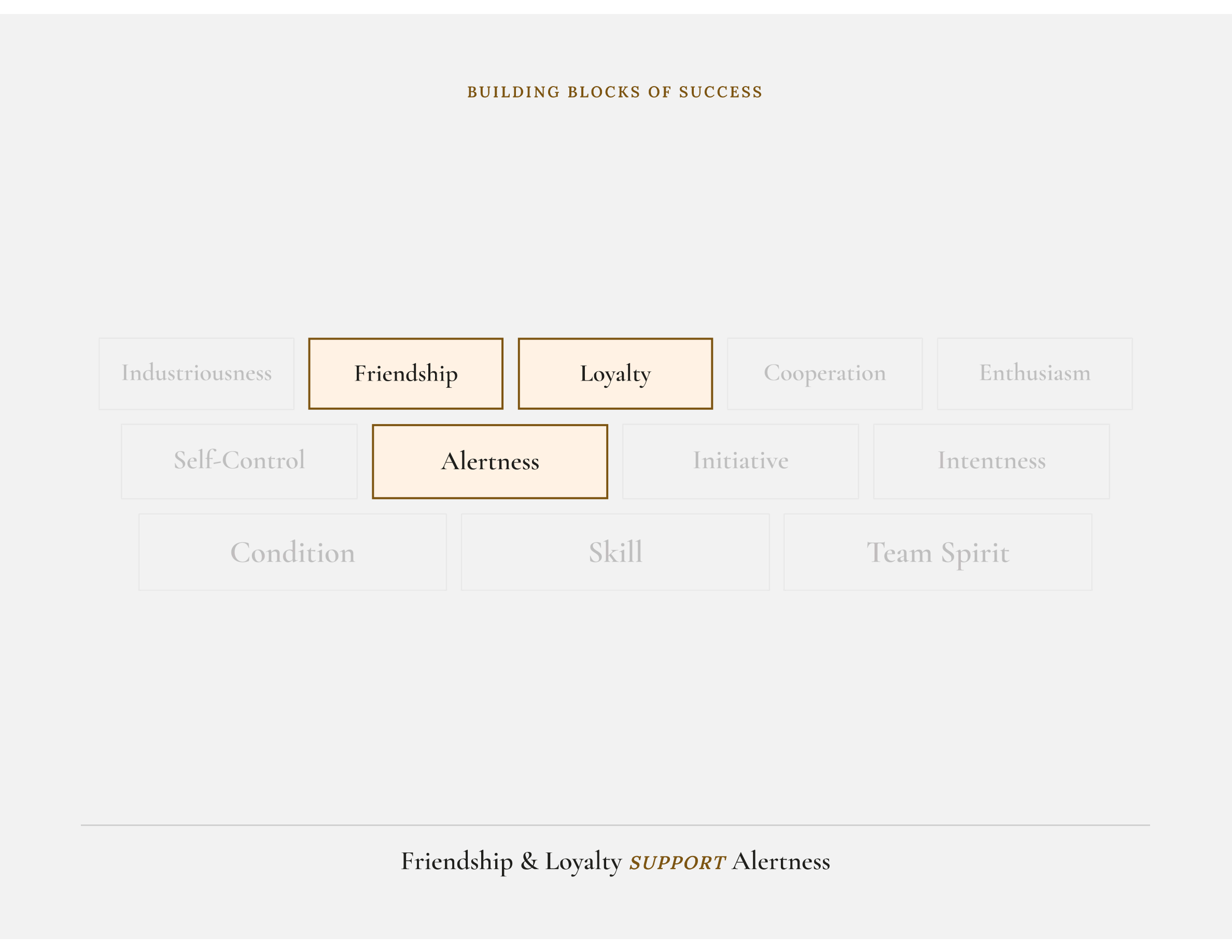
Friendship, Loyalty, and the Gift of Alertness
Alertness is one of the essential blocks of character. Wooden described it as continually observing, studying, and learning from every situation. It isn't suspicion. It isn't anxiety. It isn't constantly looking for danger. It is disciplined awareness—a willingness to remain teachable because every person and every circumstance has something to reveal.
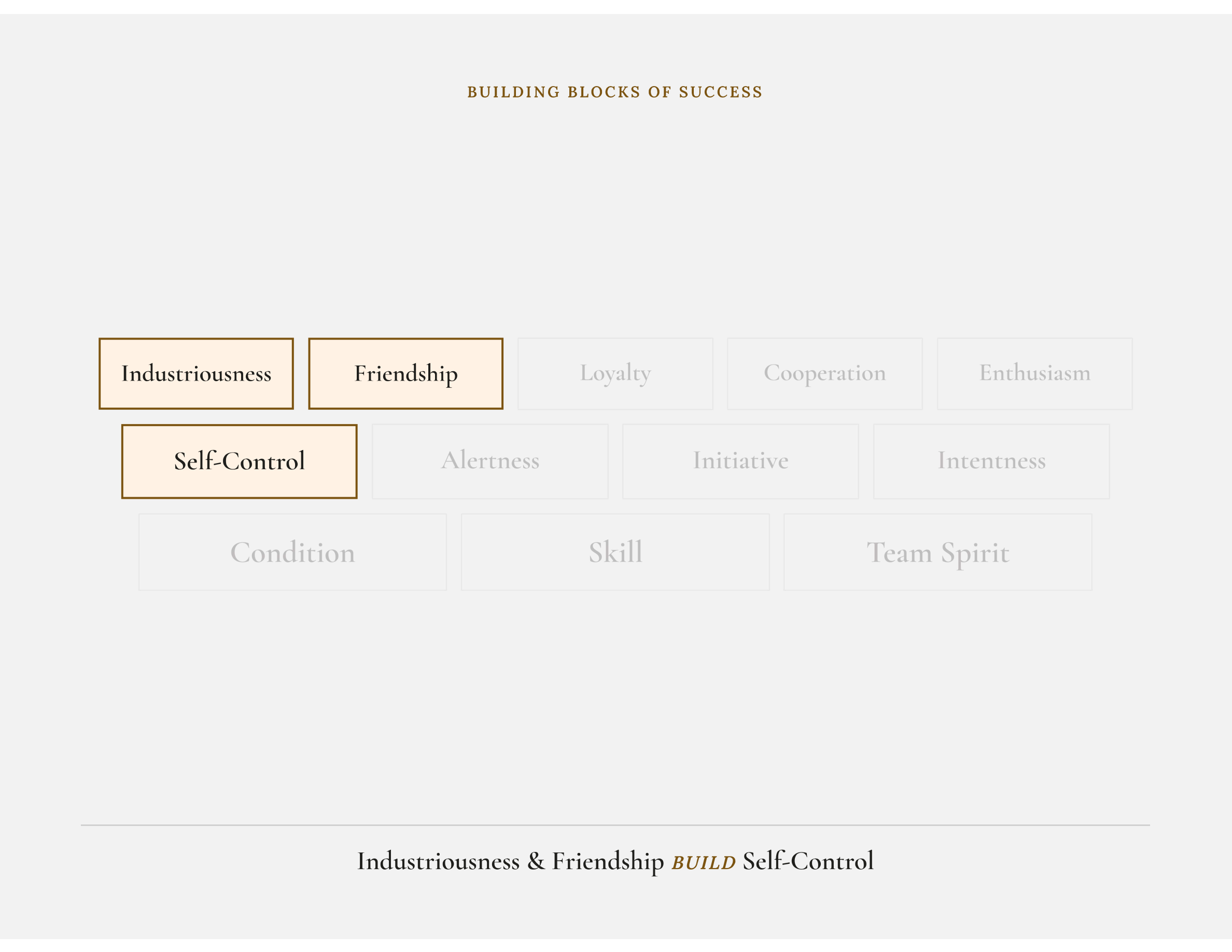
Industriousness, Friendship, and the Practice of Self-Control
Industriousness builds discipline. When you've spent years doing hard things, managing details, pushing through effort, you develop a kind of mental toughness. You can manage yourself. You're not reactive because you've trained yourself to think before you act. The work teaches you that.
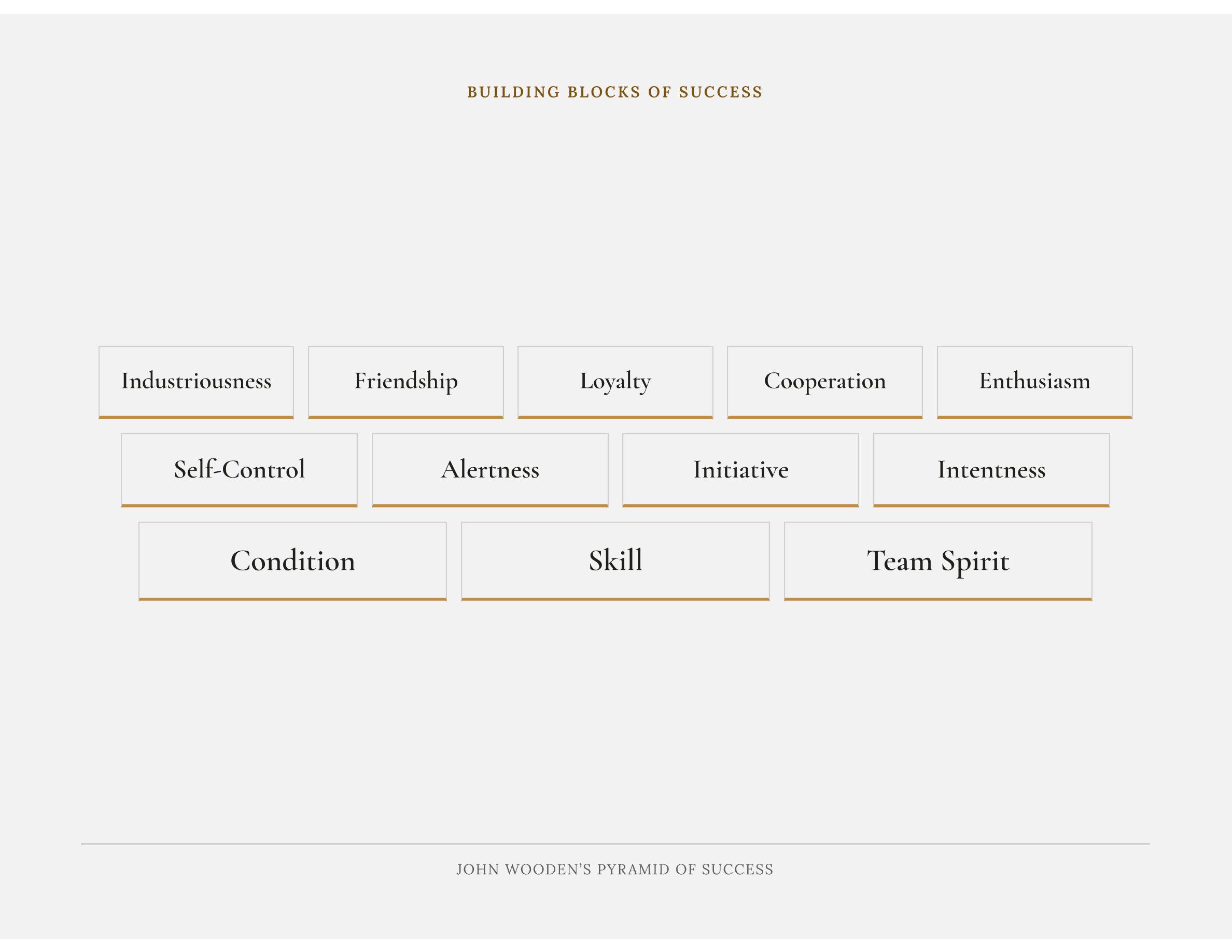
Building Excellence from the Bottom Up
Why do some people—and some organizations—remain excellent long after talent, momentum, and circumstances have changed? We tend to notice visible results first. Championships. Successful companies. High-performing teams. Strong cultures. We admire the outcome because the outcome is easy to see. What we rarely notice is the quieter work beneath it: the habits, relationships, decisions, and disciplines that made the result possible.

Pool Repairs and WBS
Pool repair work has a characteristic that makes it unusually difficult to scope: the same task can have dramatically different resource requirements depending on what the technician finds on site. "Drain the pool" is a line item on thousands of quotes. It is not a single unit of work. Depending on pool volume, site access, drain infrastructure, and timeline constraints, it might mean:
One electric submersible pump, one technician, forty-five minutes
Two pumps, one technician, half a day
Three gas-powered pumps, two technicians, a full day with site access coordination

Finding Balance
What is the realistic pace for good work, and will you commit to that instead of the pace you wish was possible?

Root Cause Analysis for Pool Technicians:
If there is one habit that separates good RCA from guessing, it is this: prove every step with evidence. Each "why," and each bone on the Fishbone, has to be backed by something you saw or measured.

The Right Person in the Right Seat:
The problem isn't that aquatics organizations lack talented people. The problem is that the industry defaults to promoting its best technical performers into leadership roles — without ever asking whether those people are behaviorally suited to lead.
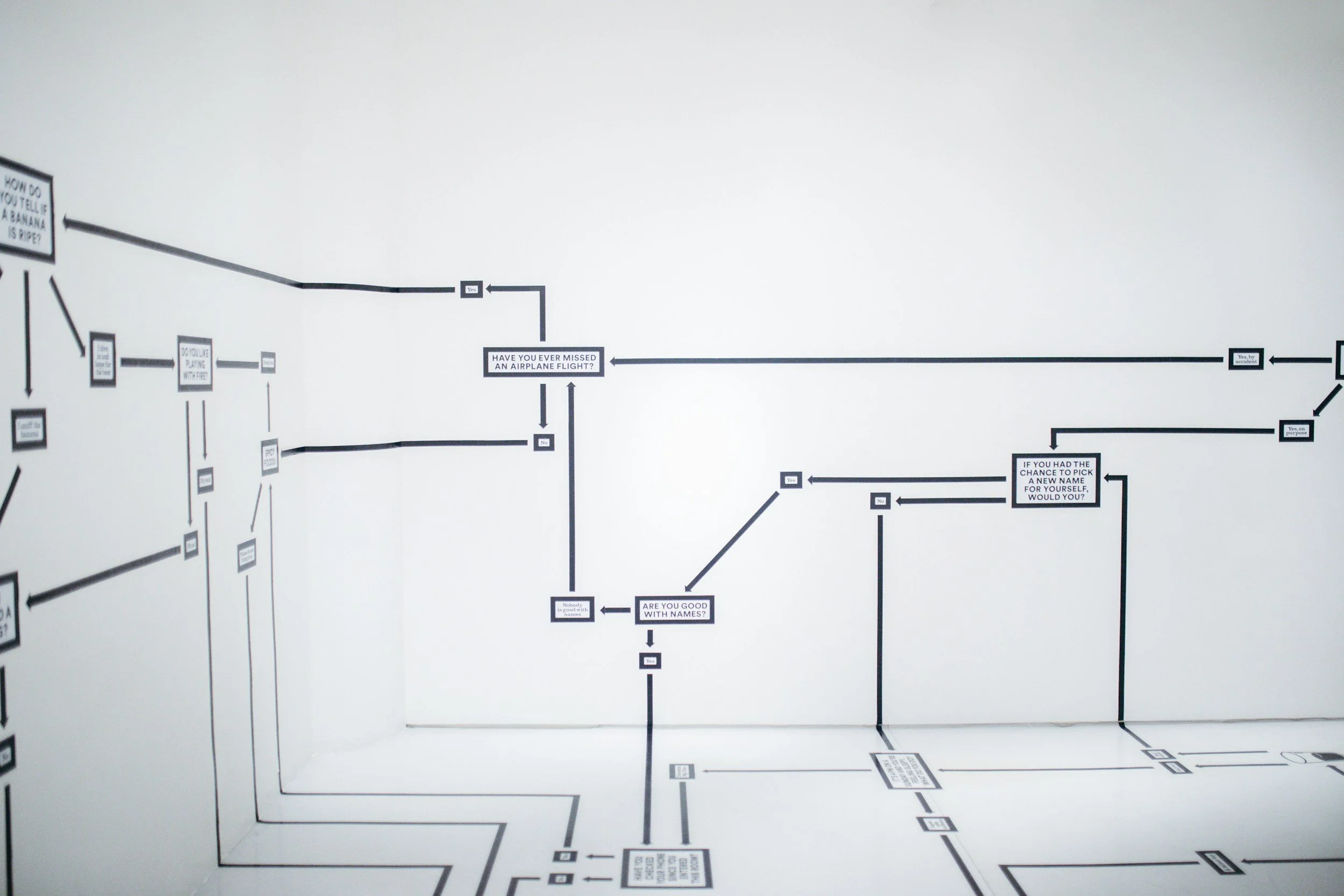
Good Plan/Great Result
For every work package that has variable resource requirements — and in pool repair, that's most of them — the dictionary defines exactly what the job looks like under different site conditions.
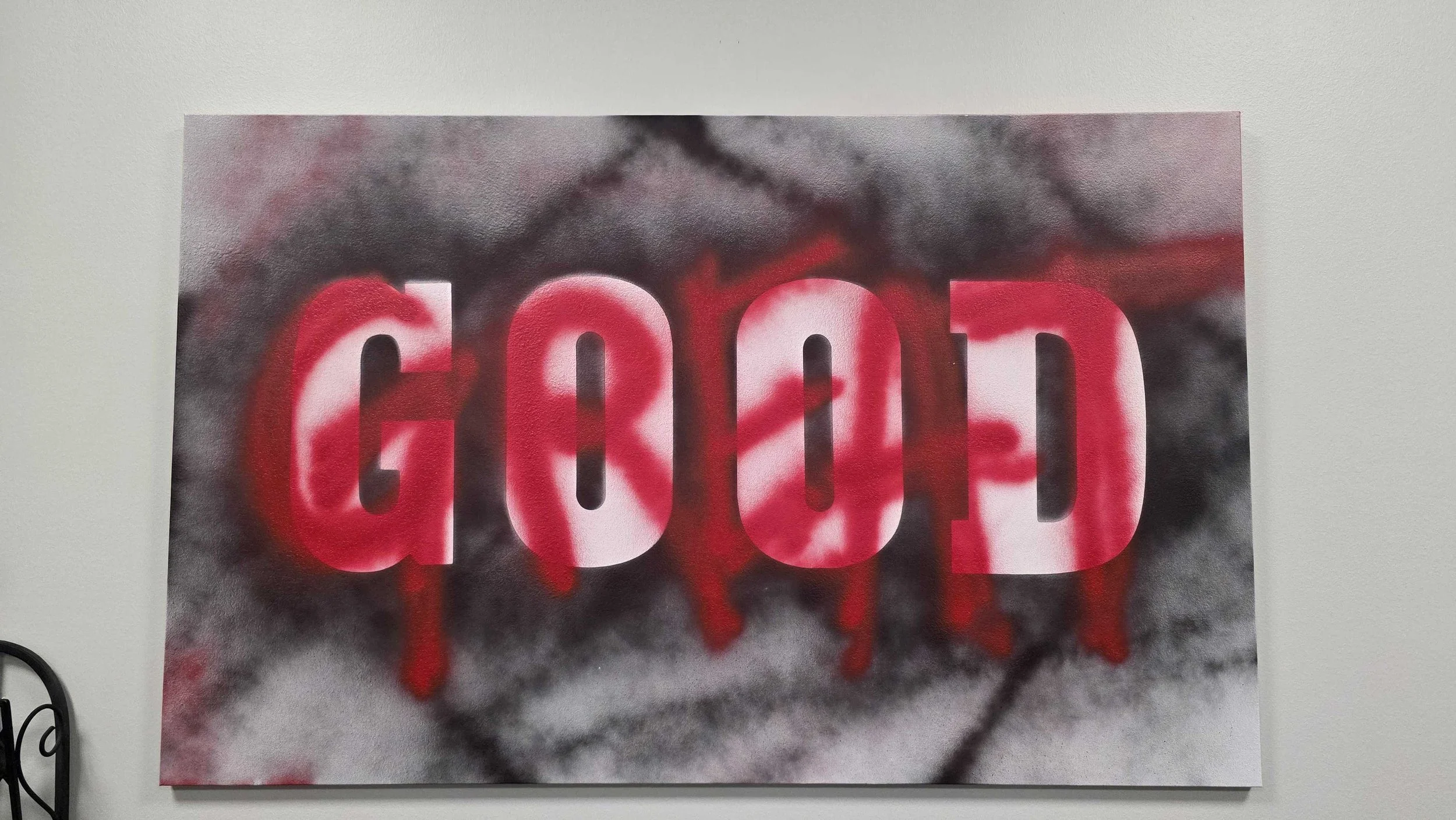
GREAT
Comfort is the enemy of good. Good is the enemy of great.

Good
Most people's best growth happens in exactly the seasons that feel the worst.