Good
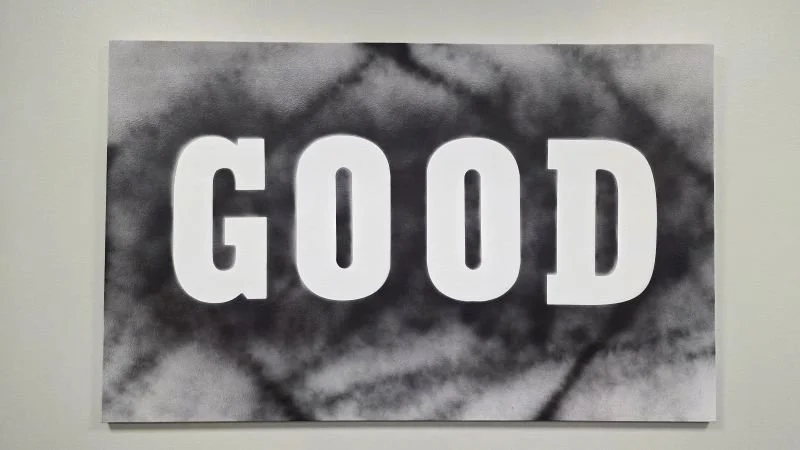
"Good." — One Word That Changes Everything About How You Lead
Jocko Willink tells a story about getting hit with bad news — a mission gone wrong, a plan falling apart — and his answer is always the same one word: "Good." Not because the situation is good. But because it creates something good: a reason to adapt, to problem-solve, to get stronger.
I run a pool repair operation. My days are full of things going sideways — a tech calls out, a pump fails mid-job, a long-time client walks. It would be easy to let that stuff compound into frustration and stagnation. But "Good" rewires how you respond to every one of those moments.
Tech called out? Good — now I find out which routes I can cover myself and where my schedule is too fragile. Lost an account? Good — now I find out why. Bad communication? Price mismatch? Quality slip? That feedback is worth more than the contract itself. Fix the root cause now, or lose three more clients next quarter. A repair goes wrong on-site? Good — document it, train around it, build a checklist. One mistake absorbed with accountability prevents five future ones.
Right now my career and personal life are both in transition. And honestly? Good. Comfort breeds complacency. Pressure reveals character — yours and everyone around you. Hard seasons strip away distraction and force real priorities to the surface. You find out who supports you, what actually matters, and what you were tolerating that you never should have been.
Most people's best growth happens in exactly the seasons that feel the worst. "Good" doesn't mean pretending everything is fine. It means refusing to let circumstances decide your direction.
Here's the practice: when something hits — before you react — pause. Say it. Good. Then ask: "Now what am I going to do about it?" That's the whole system. And when your team watches you absorb a rough day and immediately pivot to solutions, they learn something no training manual can teach.
You fix broken pools for a living. Fix broken situations the same way.